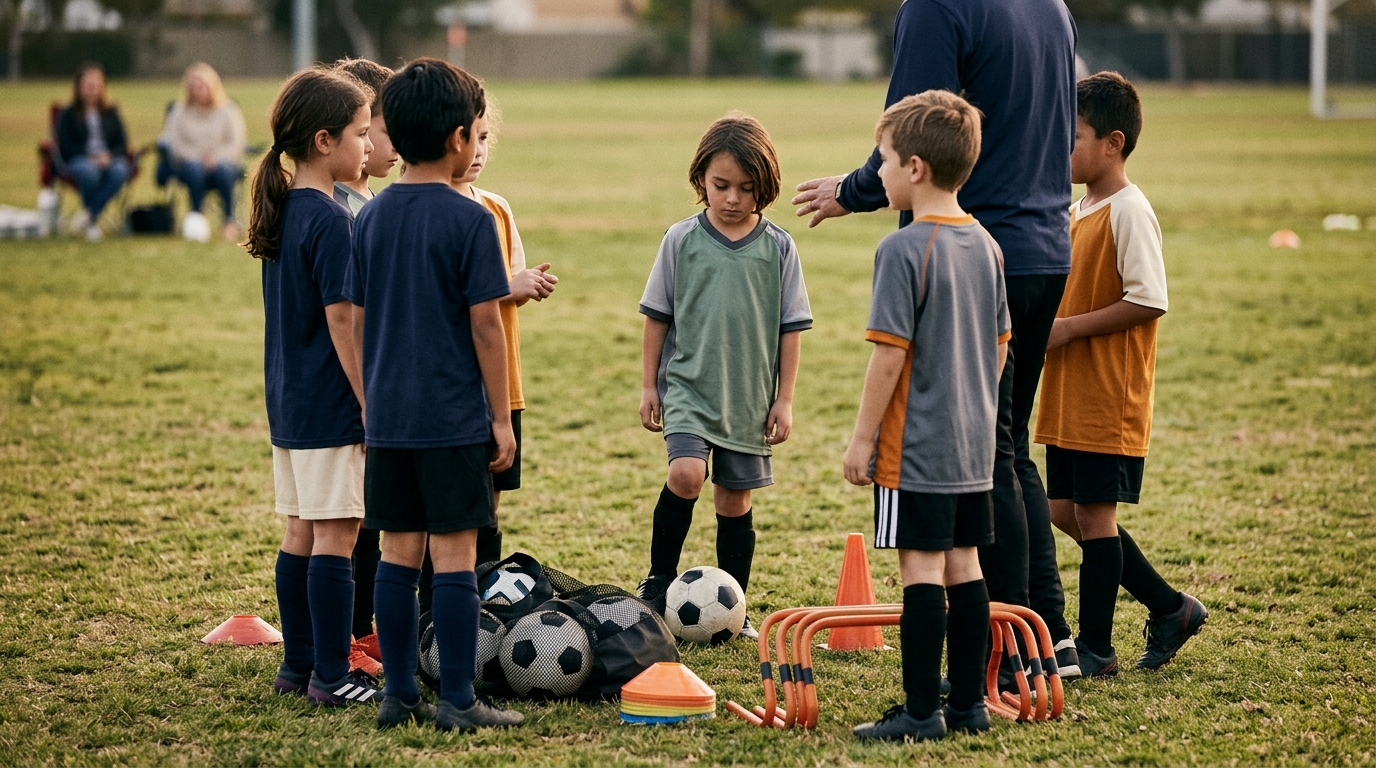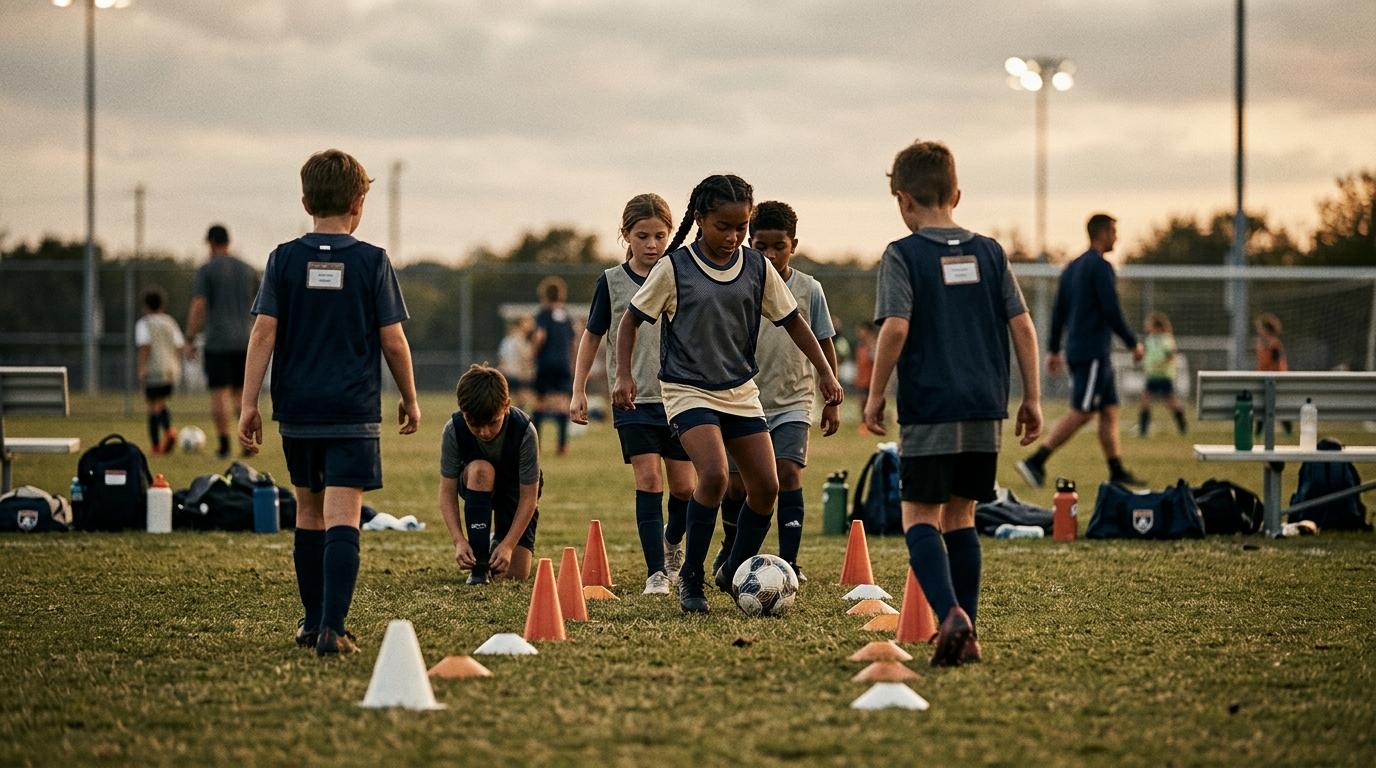

The first week of a season tells the truth fast.
You see a kid trying to squeeze into last year’s cleats. Somebody’s water bottle is still in the car. A parent is digging through email looking for a form they swore they sent. And there’s always one player who did next to nothing all summer, then hits a full-speed practice and is running on fumes in ten minutes.
That’s why a preseason checklist matters.
Not because youth sports need to feel like boot camp. Because a little work before day one saves a lot of avoidable nonsense after day one. Less scrambling. Less stress. Lower injury risk. Fewer family arguments in the parking lot. Better odds your kid starts the season feeling ready instead of already behind.
Start with health and safety
Book the physical early
I can’t tell you how many times I’ve seen this: first practice is rolling, everybody’s moving, and one kid is standing off to the side because the physical still isn’t done. It’s common. It’s also preventable.
Get it scheduled before the season starts. If the league requires it, you’re covered. If they don’t, it still gives you a chance to catch anything that could affect safety or performance.
After years of coaching, I’d much rather see a parent handle that in August than hear midway through practice, “Oh yeah, their knee’s been bothering them for a while,” after the kid gets dizzy or tweaks something.
Check the gear, not just the bag
Kids grow fast. Faster than we think, and definitely faster than sports gear gets replaced on its own.
Don’t just make sure the bag is packed. Make sure what’s in it still fits and still protects them.
- Cleats or shoes that fit right
- Helmets without cracks
- Pads that still do their job
- Uniforms that are actually ready to wear
Look for damage. Replace what needs replacing. Put their name on everything.
Micro thought: Kids don’t lose gear by accident. They lose it like they trained for it.
Get their body ready for practice
Don’t go from couch to full-speed
Every preseason, you can spot the kids who have been moving and the kids who have mostly been working their thumbs all summer. Day one exposes that in a hurry.
If your child had a light offseason, ease them back in before practice starts.
- Walks
- Bike rides
- Light backyard drills
- Easy stretching and mobility work
You do not need to run a private performance lab at home. The goal is simpler than that. Remind their body what movement feels like before a coach starts asking for sprints, cuts, jumps, and change of direction over and over.
Warm-ups matter. Cool-downs matter. Flexibility helps. None of it is flashy, but neither is a preventable strain in week one.
I’ve coached long enough, and played long enough before that, to know the kids who build back in steadily usually handle the first few weeks better than the kids who try to tough it out cold.
Fuel them like an athlete, not like they’re headed to recess
This shows up quickly too. Coaches can tell the difference between the kid who had breakfast and the kid who sprinted out the door on half a pastry and hope.
You do not need a perfect nutrition plan. You do need the basics.
- Whole grains for steady energy
- Protein for growth and recovery
- Fruits and vegetables for nutrients
- Water throughout the day
Skip the sugary energy drink habit. Most kids do not need it. Water is usually enough.
A simple hydration target is about half their body weight in ounces each day. A 60-pound kid should aim for around 30 ounces.
In all my years around teams, a lot of “bad attitude” turns out to be hunger, fatigue, or dehydration wearing a jersey.
Micro thought: Hungry, tired, dehydrated kids do not need a pep talk first.
Don’t ignore the mental side
Talk about mindset before the season tests it
The ride home after the first rough practice is not the ideal time to start explaining that mistakes are part of learning. Have that conversation before the season punches them in the face a little.
Ask simple questions:
- What are you excited about this season?
- What do you want to get better at?
- How do you handle winning?
- How do you handle losing?
What matters is the message under those questions: effort counts, mistakes are normal, and one bad game does not define them.
I’ve spent years coaching kids, plus years in mental performance work, and the pattern is consistent. The athletes who do best long term are usually not the ones who never struggle. They’re the ones who learn how to respond when they do.
Confidence is not built by pretending things are easy. It’s built by helping kids recover from hard moments and go again.
If your child needs extra support with focus, nerves, confidence, or resilience, outside mental performance help can be useful. Sometimes kids hear it better from somebody who isn’t Mom or Dad.
Micro thought: “Try again” is a sports skill.
Build routines before life gets noisy
Use a family sports calendar
Once school, practice, homework, dinner, and sibling schedules all stack up, even good families get sloppy. I’ve seen a lot of tension disappear once the whole season stopped living in one parent’s brain.
Put the schedule where everybody can see it.
- Use a shared digital calendar or a wall calendar
- Color-code by kid or activity
- Add practices, games, school events, and rest days
And yes, rest days belong on there too. Burnout is not always dramatic. Sometimes it just looks like a kid getting snippy, dragging through practice, or suddenly saying they don’t feel like going.
Be ready for snack duty
Every team has that moment after a game where everybody looks around and says, “Who has snacks?” like children being hungry was some shocking twist ending.
Keep it simple.
- Orange slices or apple slices
- Low-sugar granola bars
- Cheese sticks and whole grain crackers
- Water bottles or low-sugar hydration options
Nobody needs a postgame spread that looks like it came from the internet. Easy wins count.
Use tools that make the season easier
You do not need to build your own system from scratch.
Voluntold exists because good adults get handed real jobs in youth sports with no runway. Coach. Team organizer. Parent helper. Snack wrangler. Calendar keeper. The titles sound casual. The work isn’t.
If you’re the one managing communication, snacks, schedules, and all the moving parts around the team, the Team Mom Playbook can keep that role from turning into chaos.
If your kid needs support on the mental side, mental performance coaching can help them build focus, confidence, and grit in a way that sticks.
Keep the main thing the main thing
Most parents say they want sports to build confidence, teamwork, discipline, and joy. Then the season starts and everybody gets tugged toward standings, results, playing time, and pressure.
Take a breath.
I’ve been around this game a long time as a player and a coach. The real win is not raising a kid who peaks at 11 because the adults made every season feel heavy. The real win is raising a kid who learns, competes, handles setbacks, and wants to keep showing up.
The seasons kids remember best usually are not the ones where everything was perfect. They’re the ones where they felt prepared, supported, and like the adults around them kept the whole thing in perspective.
Preseason recap
- Schedule the physical
- Check equipment for fit and safety
- Ease back into activity
- Focus on solid food and steady hydration
- Talk about mindset, effort, and mistakes
- Create a family calendar that includes rest
- Have snack duty covered
- Use Voluntold resources when you need help
That’s the checklist.
Nothing fancy. Just the stuff that keeps a season from starting behind.
Get them cleared. Get them fitted. Get them moving. Get their mind ready too.
Then let them play.
Prepared kids enjoy sports more. Prepared parents usually do too.