
It’s 6 a.m. The house is dark, the cooler lid won’t close, one sock is missing, and somebody is asking where the shin guards are while you’re still trying to become a person without coffee. Then you load the car and go anyway.
If that’s you, this is for you.
On most teams, parents are doing a lot more than driving to the field. You’re carrying chairs, remembering water, finding the jersey that was definitely put “somewhere safe,” and holding the mood together when a kid is nervous, frustrated, or running on too little sleep. That work doesn’t show up on a scoreboard, but it shapes the whole experience.
You’re Not Just the Ride
I’ve been around youth sports long enough to know the game starts way before warmups. It starts in kitchens, driveways, and parking lots. It starts with the adult who gets everyone out the door.
Kids feel that effort, even when they don’t say it well. Every early alarm, every long drive, every rushed dinner after practice sends a message: You matter enough for me to keep showing up. That message builds confidence in a way stats never will.
What looks small to you often feels big to them.
Your Time Becomes Their Confidence
I’ve coached plenty of athletes who didn’t need a big speech. They needed consistency. A parent in the stands. A calm face after a rough game. Somebody who kept coming back, whether the day ended with a win, a mistake, or tears in the car.
That’s part of development too. Not just reps and results. Presence.
When kids know someone is willing to spend the time, burn the gas, and rearrange the day for them, they start to believe they’re worth investing in. That belief travels. It shows up in how they handle setbacks, how they talk to themselves, and how willing they are to keep trying.
Showing up is not small.
Be the Calm, Not the Extra Coach
One of the toughest sideline jobs is staying in your lane when your kid had a rough game. I get the temptation. You saw the missed pass. You saw the turnover. You know exactly what they could have done differently.
But that ride home is rarely the place for a breakdown.
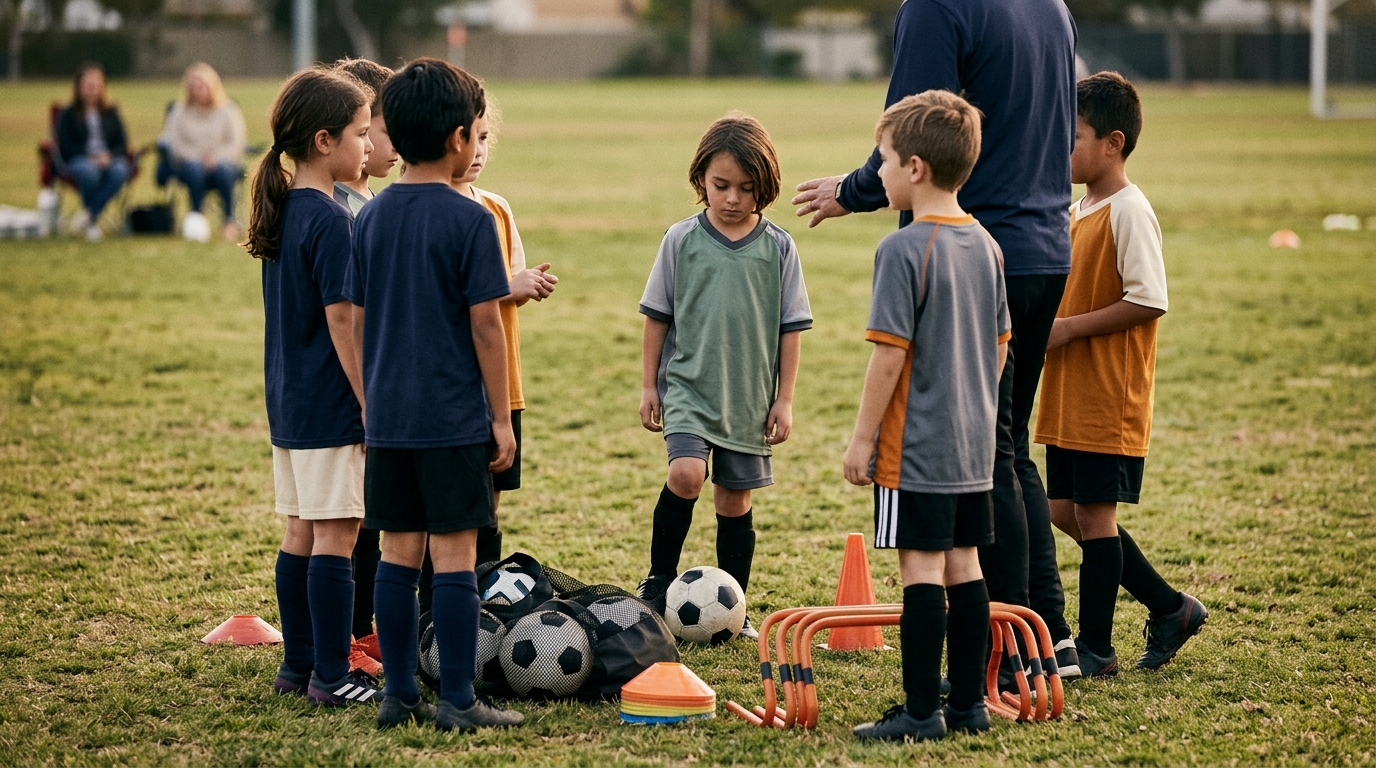
Most kids already know how they played. What they need first is regulation, not review. They need the temperature brought down. Sometimes the best thing you can say is simple: “I love watching you play.”
Period.
There’s time later, if they want to talk. But right after competition, calm beats commentary almost every time.
Support lands better than analysis when emotions are still loud.
“I love watching you play.”
Stay Organized So You Don’t Burn Out
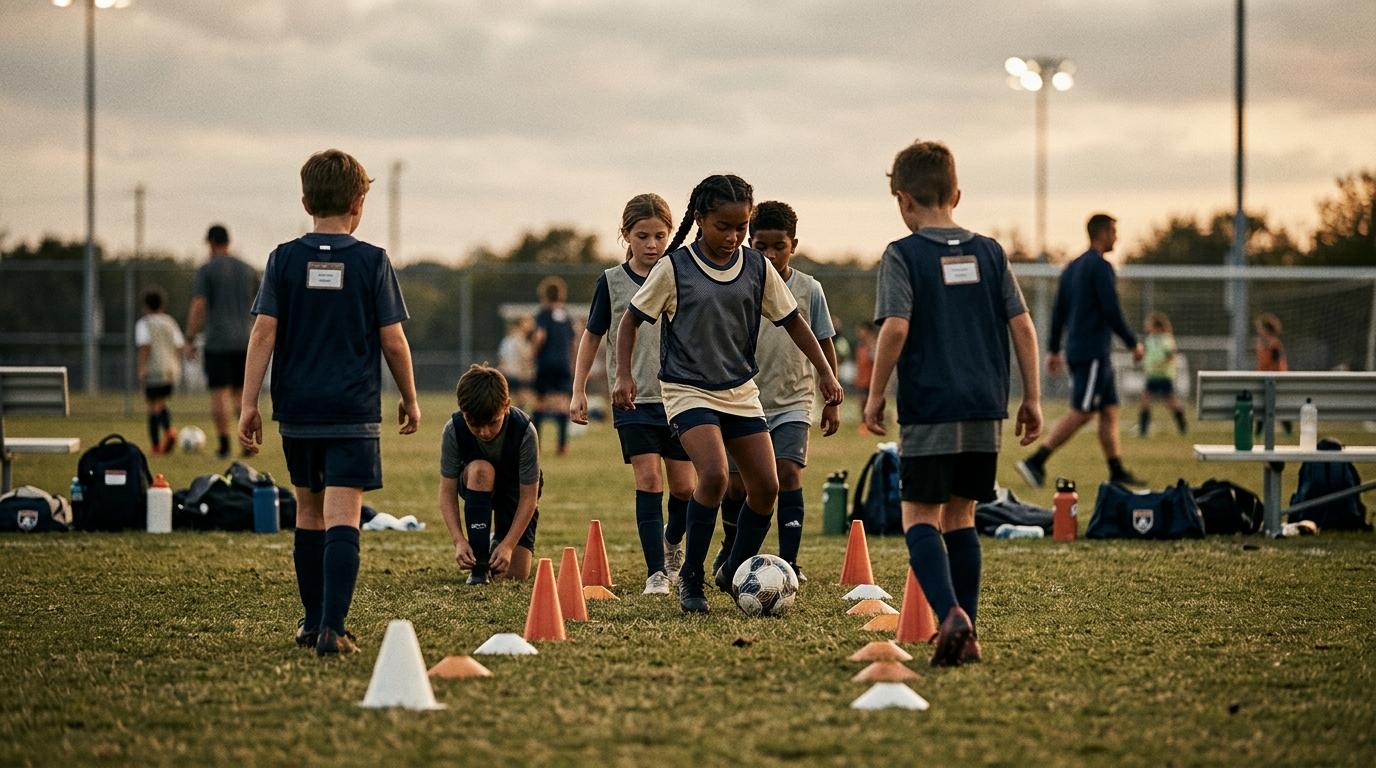
I’ve seen game days go sideways over the smallest stuff. Forgotten socks. No water. Wrong field. Three adults all assuming somebody else brought the snack. None of that means you’re failing. It means youth sports is a lot to manage.
So make it easier on yourself.
- Use a packing checklist.
- Set gear out the night before.
- Lean on the team group chat for reminders, not panic.
- Share jobs when you can.
- Delegate without guilt.
You do not have to carry every detail alone to be a great sports parent. In fact, trying to do that usually makes the whole thing harder.
Tired parents are not more virtuous parents.
Final Word
You probably won’t get a trophy for remembering the ice packs, making the extra trip back home for forgotten cleats, or sitting through four hours of weather delays. But your kid notices more than you think.
They notice who was there. They notice who stayed steady. They notice who kept showing up, even when the day was messy.
And years from now, that’s a big part of what they’ll remember.
The memory is bigger than the box score.
So if game day feels a little chaotic sometimes, welcome to the club. Forgetting the snacks once in a while does not erase all the ways you’re helping your kid do something hard and worthwhile.
Keep showing up.