
The Changing Game of Youth Sports
It used to be simple. Kids played until the light was gone, made up the rules as they went, and settled arguments with, “Best of three. Run it back.” A lot of improvement came from unstructured reps, neighborhood competition, and figuring things out without an adult diagramming every move.
That’s not the setup for a lot of families anymore. Now it’s team practice, then skills work, then a tournament, then another season that somehow started before the last one ended. “Offseason” in a lot of sports just means the sweatshirt changes.
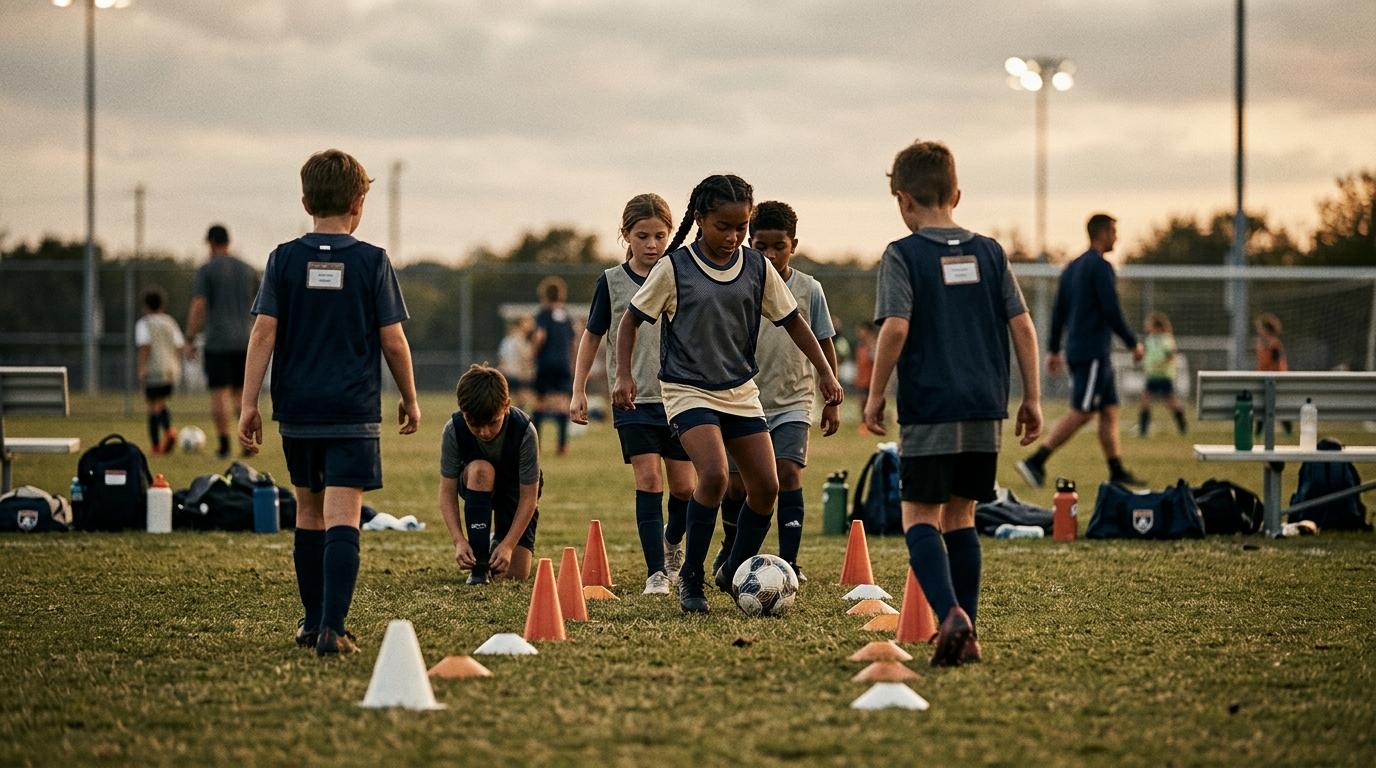
You can hear the shift standing near Field 3 or tucked into cold bleachers at a rink. Parents compare trainers between games. Kids talk about shooting coaches, hitting instructors, skating lessons, speed work, and recovery like it’s just part of the weekly routine. What used to be “play the sport” has turned into layers: rec, school, club, travel, private training, repeat.
So yes, more families are spending serious money on private coaching. Not loose-cash money. Sit-down-and-look-at-the-budget money. The real question isn’t only why it’s growing. It’s what families think they’re buying, and what they’re actually getting.
Pressure has a way of sounding responsible.
Why Parents Are Turning to Private Coaching
Most of It Starts From a Good Place
After a couple decades around youth sports, I can tell you most parents do not start here because they’re trying to manufacture a superstar. Usually it’s much more ordinary than that. Their kid cares. Their kid wants to get better. Their kid feels behind, stuck, or frustrated. Team practice doesn’t seem to be enough, so the family looks for help.
I’ve coached the kid who wants varsity and knows they’re not there yet. I’ve coached the player trying to make the top roster. I’ve coached the quiet one who has ability but won’t ask questions in a group, so bad habits stick because nobody ever slows it down enough for them.
When a kid is genuinely motivated, families will rearrange a lot to support that.
Parents usually aren’t buying status. They’re trying to answer effort with support.
The System Keeps Nudging Families There
Plenty of parents feel like private coaching is optional right up until they spend one season watching everybody else stack extra reps. That’s how this works now. Club teams overlap with school teams. Tournaments eat weekends. One sport stretches so far across the calendar it starts crowding out the rest of childhood.
From the bench, you can feel the temperature rise. A family hears that three kids on the roster work with a private trainer. Another hears that tryouts are faster, sharper, more competitive than last year. Another notices their kid is working hard but still getting passed by players who are getting more touches outside team practice.
That doesn’t mean every athlete needs a private coach. It does mean a lot of families feel like they’re making a decision under pressure, not in peace.
One-on-One Attention Still Has Value
Team coaches are managing a lot at once: systems, spacing, effort, pace, attitude, line changes, substitutions, timing, and all the personalities that come with a roster. Even good coaches don’t always have enough minutes to give one player the specific correction they need, enough times in a row, for it to stick.
That’s where private coaching can help. One athlete. One problem. One skill broken down small enough to actually understand.
I’ve seen it help the hesitant kid who never speaks up in practice. I’ve seen it help an athlete returning from injury who needs confidence rebuilt rep by rep. I’ve seen it help the player who isn’t lazy or uncoachable—they just need someone to explain the same thing differently.
Sometimes a kid doesn’t need more volume. They need clearer feedback.
But the Costs? They’re Real.
This is the part families feel in a hurry. Private coaching sounds manageable when it’s one lesson. Then it becomes weekly. Then there’s a clinic. Then a camp. Then the tournament circuit. Then the gear upgrade because “everyone at this level has one.”
An hour can start around $50 to $75 and climb fast depending on the sport, the market, and the coach. Hockey, baseball, soccer, tennis, and specialized skills work can get expensive in a blink.
And private coaching rarely shows up alone.
- Skills sessions and clinics
- Travel, hotels, and tournament fees
- Equipment upgrades and replacement gear
- Nutrition support or mental performance work
I’ve listened to parents have the real version of this conversation in folding chairs between games. Fewer trips. Less extra spending. More tradeoffs. Sometimes that investment feels clear and worthwhile. Sometimes it quietly becomes a strain, and nobody says it out loud until every ride home feels tense.
If the bill is stressing the family every week, that stress will find its way into the sport.
Is It Worth It?
Sometimes, absolutely. Sometimes, not at all. Most of the time the honest answer is that it depends on the kid, the coach, the goal, and whether the whole thing is helping without turning the game into another job.
I’ve seen private coaching sharpen decision-making, clean up technique, build confidence, and give players structure they weren’t getting anywhere else. I’ve seen it help kids earn bigger roles, make teams, and feel more prepared when the game speeds up.
I’ve also seen the other side. Too much, too early. A kid who used to love practice starts dragging. A player begins performing for approval instead of competing with freedom. A family spends more and enjoys the sport less.
- Burnout from too much training, too early
- Pressure to perform instead of just play
- An uneven playing field when some families can buy more reps than others
The biggest thing I’ve learned is simple: the motivation has to belong to the kid. If they want the work, private coaching can be a useful tool. If the adults want it more than the athlete does, it usually becomes stress in expensive packaging.
Better helps. More doesn’t always.
A Real-Life Example
I’ve seen this story enough times that the details change but the shape stays the same. A player is solid. Works hard. Good teammate. But in team sessions, they’ve leveled off a bit. Not because they don’t care. Because group practice can only do so much.
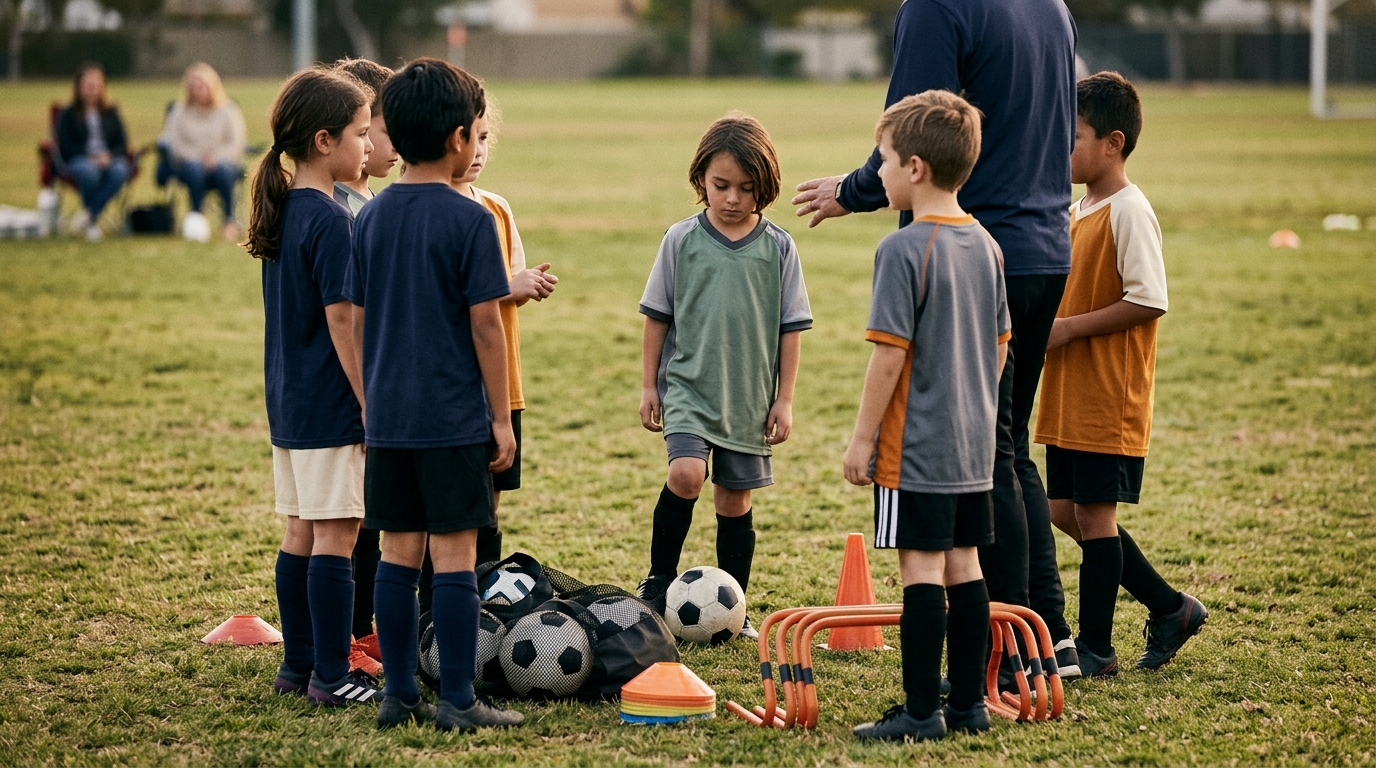
One family that sticks with me had a 13-year-old soccer player who genuinely loved the game and wanted more from it. Not because anybody was dangling scholarships in middle school. He just cared and wanted to improve. Private sessions gave him focused work on speed, ball control, and the mental side of competition.
It wasn’t magic. No overnight transformation. Just targeted work done often enough that it started showing up in games. Better preparation led to better confidence. That’s usually how real progress looks—less dramatic than people want, more consistent than they expect.
The family also kept checking the right thing: does he still love this? Not, “Is this paying off yet?” Not, “Are we getting our money’s worth on the stat sheet?” Just: does he still want to go?
That question can save a season.
Are Private Coaches Replacing Team Coaches?
No. They’re not supposed to. They have different jobs.
Team coaches teach team play. They manage roles, systems, chemistry, accountability, and the thousand little things required to get a group moving together. Private coaches can zoom in tighter on an individual athlete’s habits, mechanics, and confidence.
When it’s healthy, you can tell. The extra work supports the team work. The athlete comes back more prepared, more coachable, and more settled in their game.
When it’s unhealthy, you can tell that too. Mixed messages. Constant second-guessing. A kid hearing one thing from the team coach and another thing in private lessons, then freezing because they don’t know which voice to trust. It gets worse when private coaching turns into a running critique of the team coach.
Supplement is the word. Not replacement.
Tips for Parents Considering Private Coaching
- Start with your child. Ask whether they want the extra work, or whether you want relief from your own worry.
- Get specific. Better at what, exactly? Skill work, confidence, tryout prep, recovery from injury, game understanding?
- Do your homework. Find someone who can teach, not just someone with a résumé kids are supposed to be impressed by.
- Watch your child’s energy. Tired is normal sometimes. Drained, irritable, and disconnected is different.
- Respect your budget. A steady plan you can afford beats an ambitious one that turns the whole house tight.
A good coach makes the game clearer, not heavier.
The Bigger Picture
Youth sports still have a lot to teach when adults don’t bury the good stuff under pressure. Teamwork. Grit. Confidence. How to recover after mistakes. How to be coached. How to stay with something hard without letting it define your whole identity.
Private coaching can support that. It can also crowd it out if nobody is paying attention.
On any weekend, you can spot the difference. One kid makes a mistake and immediately checks the sideline. Another makes the same mistake and stays in the play. Same age. Same sport. Totally different weight on their shoulders.
Joy is not extra. It’s fuel.
Final Thoughts
Private coaching is growing because youth sports changed, and families are trying to keep up while doing right by their kids. For some athletes, it’s a smart investment and a real boost. For others, it’s too much, too soon, or not necessary at all.
The right answer depends on the child’s interest, the family budget, the quality of the coaching, and one question that matters more than any training plan: is this building the kid up, or wearing the kid down?
Not every athlete needs private coaching. Every athlete does need adults who can keep perspective.
Because the real goal is bigger than producing the next standout player. It’s helping kids grow into confident, healthy, capable people who still love to play.