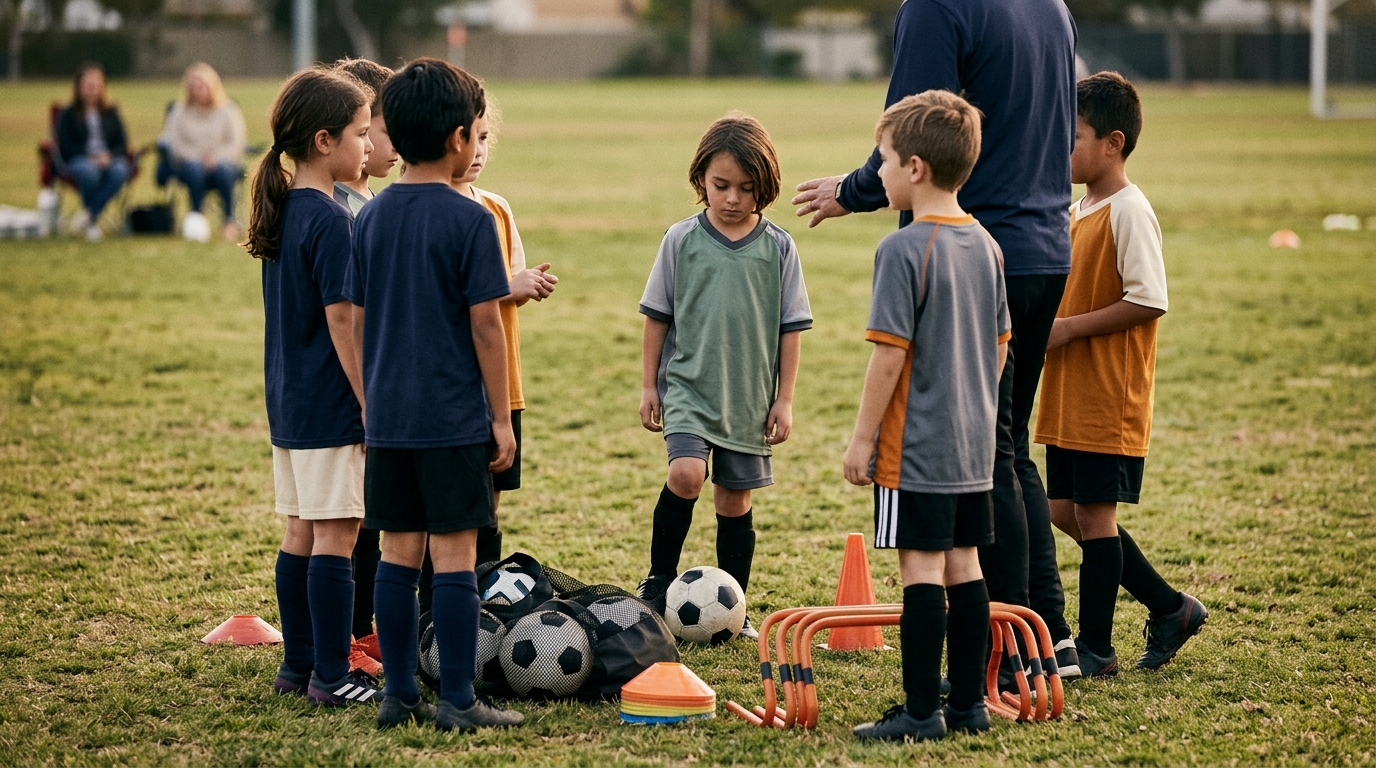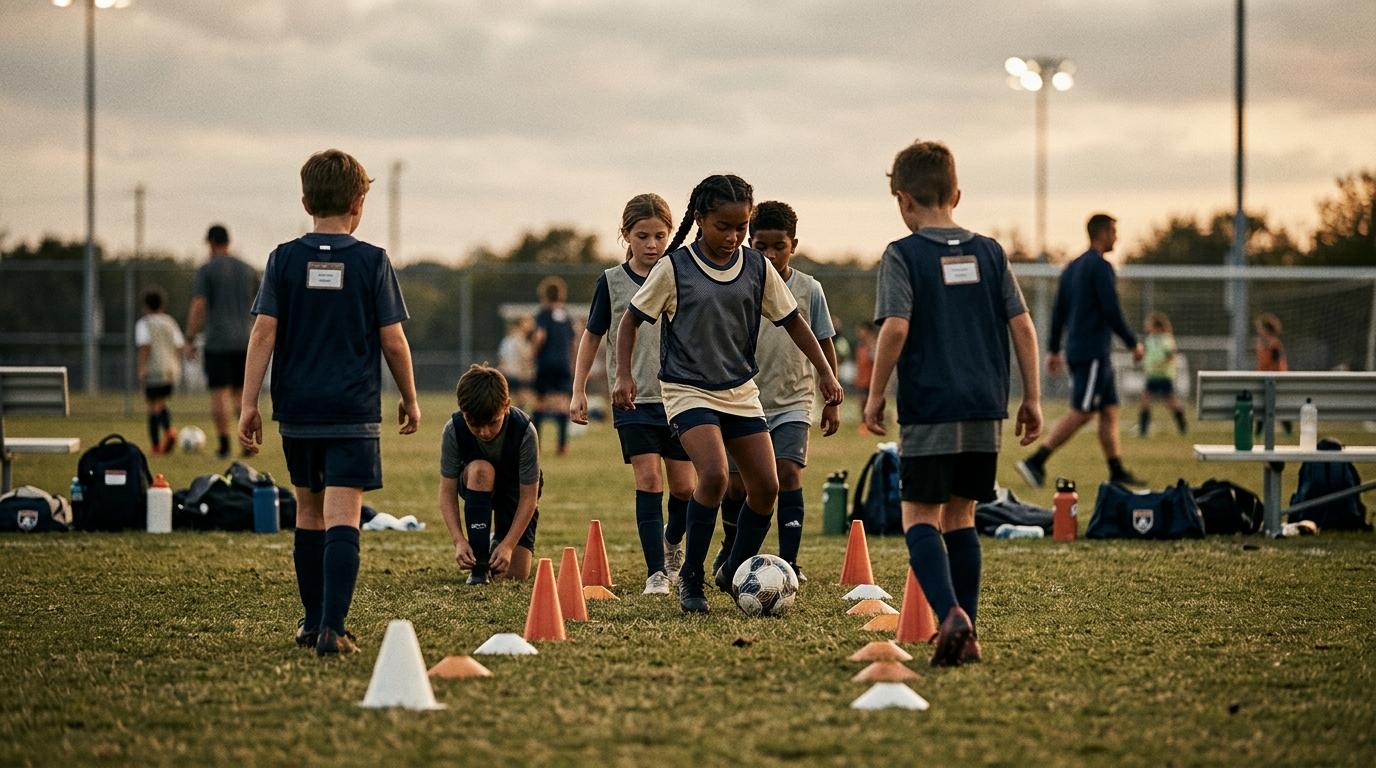

Let’s be honest—most kids are not getting a D1 scholarship, and that does not mean sports “didn’t work.” But you wouldn’t know that from some sidelines. We’ve got third graders playing under more pressure than grown adults at rec league, and somewhere along the way, the point got blurry.
I’ve coached long enough to see the pattern. A kid strikes out, looks to the fence before the dugout, and you can tell what matters most by who they’re checking for. Not the coach. Not their teammates. The parent reaction. That tells you everything.
Sports Are a Classroom for Life
The best things kids take from sports usually don’t show up in a stat line.
Showing up when they’re tired. Listening when they’d rather argue. Handling nerves. Learning how to be part of something bigger than themselves. Taking correction without folding. Those are not “D1 traits.” Those are life traits, and every kid can build them.
I’ve seen bench kids become strong leaders. I’ve seen average players become dependable teammates everybody trusts. I’ve seen kids who were never the star grow into confident young adults because sports gave them a place to struggle, adjust, and keep going.
Not every win is on the scoreboard.
Don’t Make the Game a Job
You can feel it when a kid’s sport has stopped being a sport.
They play tight. They don’t smile much. Every mistake looks expensive. Car rides home feel like performance reviews. The fun gets replaced by pressure, and once that happens, burnout is usually not far behind.
That doesn’t mean standards disappear. Kids need structure. They need coaching. They need accountability. But they also need room to laugh, experiment, mess up, and actually play.
I’ve coached kids who improved fast once the pressure came off a little. Not because we lowered the bar, but because they could finally breathe enough to learn.
Joy is not a distraction from development. It helps development happen.
Celebrate Growth, Not Exposure
One of the easiest traps in youth sports is only getting loud when the performance is loud.
Big hit? Everybody celebrates. Big game? Phones come out. But what about the kid who got embarrassed in the first inning and stayed steady the rest of the day? What about the player who picked up a teammate, sprinted through first, stayed coachable, or came back the next week after a rough one?
That stuff matters.
If the only praise kids hear is when they “show out,” they start to believe their value lives in outcomes. That’s a hard lesson to unlearn later.
Praise the hustle. Praise the response. Praise the leadership, the toughness, the readiness, the growth.
Character travels farther than highlights.
If They Do Go Far—Great. But Let That Be Their Dream
There’s nothing wrong with a kid having big goals. Chase them. Work for them. See how far the game can take you.
But there is a difference between supporting a dream and assigning one.
I’ve seen families so focused on the future that they miss the actual kid in front of them. The sport becomes an obligation. The calendar gets packed. The pressure gets heavy. And the love for the game starts leaking out.
Guide them, yes. Invest in them, yes. But make sure the dream still belongs to them. Forced ambition has a shelf life.
Your job is to help carry the load, not choose the destination.
If your kid finishes the season with more confidence, stronger character, and a real love for the game, that season counted. Sports are not only about scholarships. They are about shaping people. Let them grow. Let them struggle. Let them enjoy it. The real trophy is who they become.
Final Word:
The real win is not a logo on a future jersey. It’s a kid who grows through sport, learns confidence, builds resilience, and wants to keep playing because the experience still means something to them.
If your athlete struggles with nerves, confidence, or bouncing back after mistakes, Voluntold’s Game Ready Mini-Course gives them simple mental performance tools they can actually use in real games and real practices.
Short lessons. Focus drills. Bounce-back routines.
Because the goal is not just raising better athletes. It’s raising steadier kids.